CRM Software: The Key to Better Customer Relationships and Business Growth
In today’s competitive business environment, building strong customer relationships is more important than ever. Companies that understand their customers’ needs, preferences, and buying habits are better positioned to increase sales and foster long-term loyalty. This is where Customer Relationship Management (CRM) software becomes a game changer.
Whether you’re a small business looking to organize customer information or a growing enterprise seeking to improve sales performance, a CRM system can help streamline operations and deliver better customer experiences.
The numbers back this up: research from Nucleus Research has found that businesses earn an average of $8.71 in return for every $1 spent on CRM software, driven largely by improved sales efficiency, automation, and stronger customer retention.
What Is CRM Software?
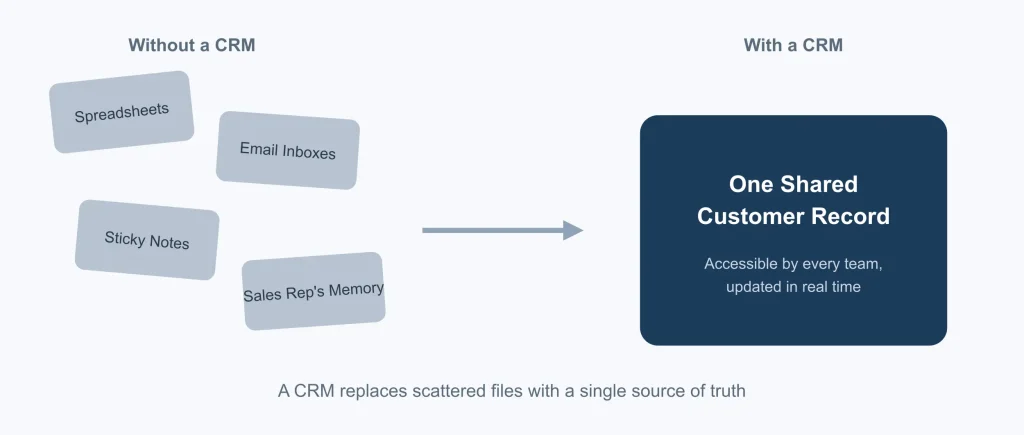
CRM (Customer Relationship Management) software is a technology solution designed to help businesses manage interactions with current and potential customers. It centralizes customer data, tracks communications, automates workflows, and provides valuable insights into customer behavior.
Instead of storing information across spreadsheets, emails, and disconnected systems, a CRM creates a single source of truth that teams can access in real time.
When integrated with modern Managed IT Services, organizations can ensure their CRM platform remains secure, optimized, and aligned with business objectives.
Common information stored in a CRM includes:
- Customer contact details
- Email and communication history
- Sales opportunities and pipelines
- Customer service interactions
- Purchase history
- Notes and follow-up tasks
Why Is CRM Important for Businesses?
Modern customers expect personalized, efficient, and consistent experiences. Without the right tools, managing customer relationships can quickly become overwhelming.
A CRM system helps businesses:
Improve Customer Experience
Businesses can provide more personalized interactions by having access to complete customer histories and preferences. This allows teams to respond more effectively and build stronger relationships.
Increase Sales Efficiency
Sales teams can track leads, manage opportunities, and automate repetitive tasks. This means more time spent selling and less time spent on administrative work.
Enhance Team Collaboration
Marketing, sales, and customer service departments can access the same customer information, ensuring everyone is aligned and working toward common goals.
Make Data-Driven Decisions
CRM platforms provide reporting and analytics that help businesses identify trends, measure performance, and optimize customer engagement strategies.
Key Features of a CRM System
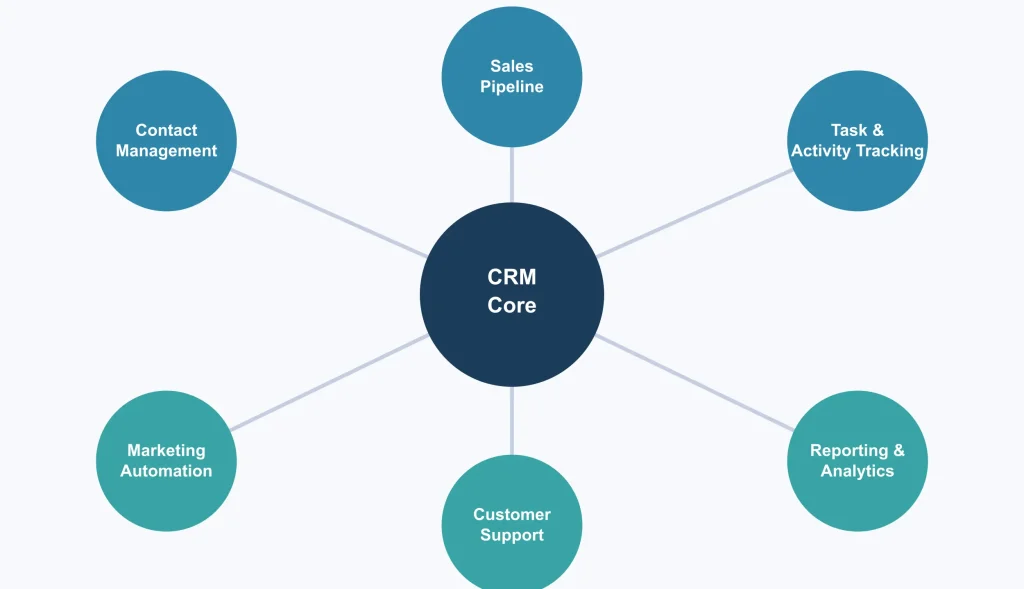
While CRM capabilities vary by platform, most modern solutions include several core features.
Contact Management
Store and organize customer information in one centralized location, making it easy to access important details when needed.
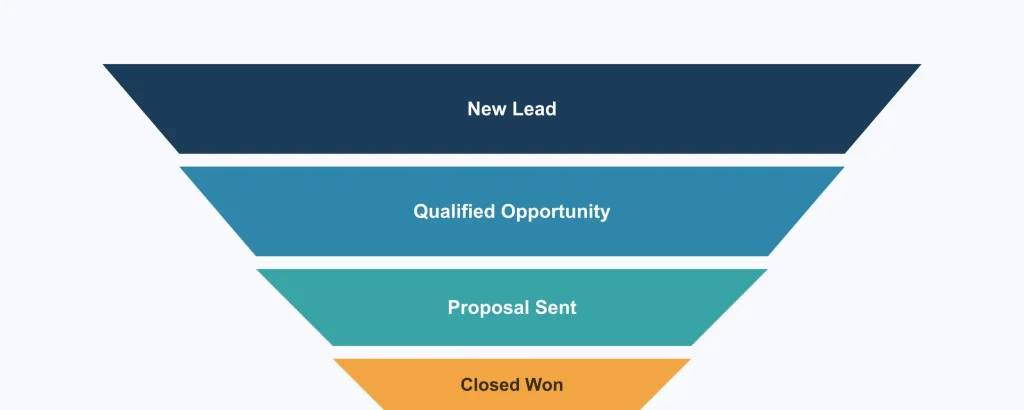
Sales Pipeline Management
Track prospects through every stage of the sales journey, from initial contact to closed deal.
Task and Activity Tracking
Assign tasks, schedule follow-ups, and ensure no customer opportunity falls through the cracks.
Marketing Automation
Many CRM platforms integrate marketing tools that automate email campaigns, lead nurturing, and customer segmentation.
Customer Support Management
Track support requests, service tickets, and customer interactions to improve satisfaction and response times.
Reporting and Analytics
Gain visibility into sales performance, customer engagement, conversion rates, and team productivity.
Benefits of Implementing a CRM
Better Lead Management
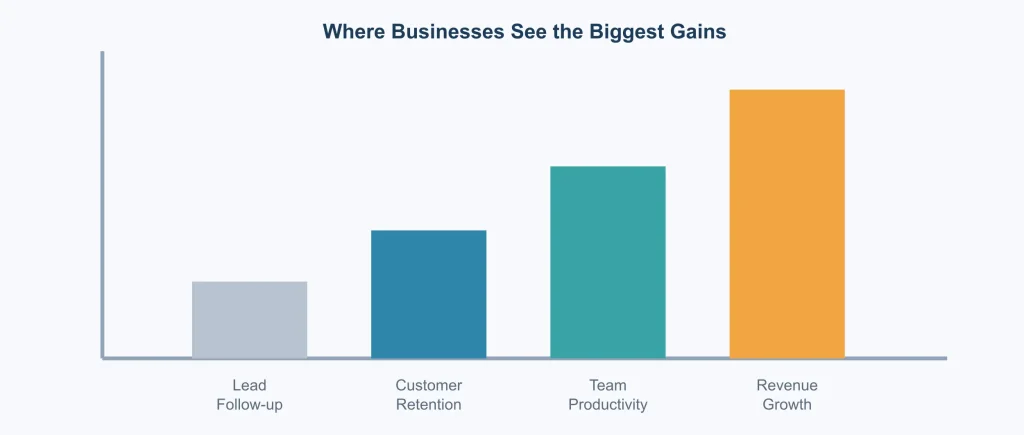
Capture, organize, and nurture leads more effectively, helping sales teams prioritize high-value opportunities.
Increased Customer Retention
Understanding customer needs and maintaining regular communication can improve loyalty and reduce churn.
Improved Productivity
Workflow automation reduces manual tasks and enables employees to focus on more strategic activities.
Greater Revenue Growth
With improved sales processes and stronger customer relationships, businesses often see increased conversion rates and revenue opportunities.
How to Choose the Right CRM
Selecting the right CRM depends on your business goals, team size, and operational requirements.
Consider the following factors:
- Ease of use
- Scalability
- Integration capabilities
- Mobile accessibility
- Customization options
- Reporting features
- Security and compliance standards
- Total cost of ownership
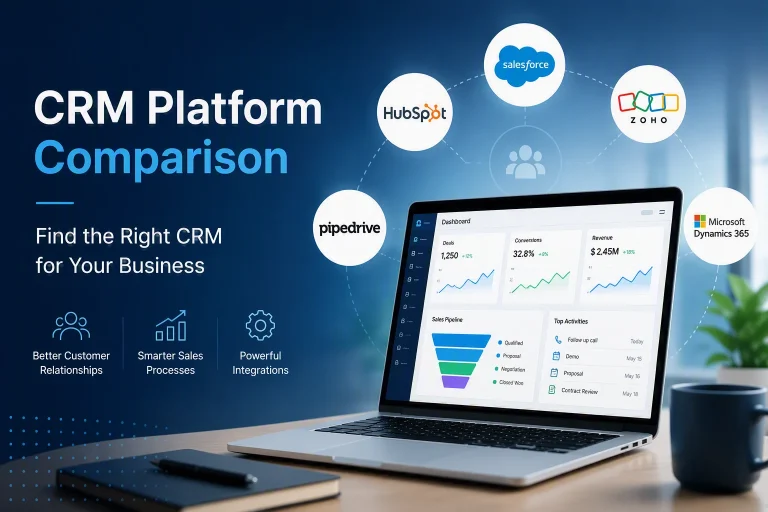
Popular CRM platforms include Microsoft Dynamics 365, Salesforce, HubSpot, and Zoho CRM. Each offers unique features tailored to different business needs.
| Platform | Best For | Notable Strength |
|---|---|---|
| Salesforce | Large or complex sales organizations | Deep customization and third-party integrations |
| HubSpot | Small to mid-sized businesses | User-friendly interface with built-in marketing tools |
| Zoho CRM | Budget-conscious small businesses | Affordable pricing with a wide feature set |
| Microsoft Dynamics 365 | Enterprises already using Microsoft tools | Tight integration with Office and Teams |
CRM Trends Businesses Should Watch
As technology continues to evolve, CRM platforms are becoming more intelligent and automated.
Some emerging trends include:
- Artificial intelligence (AI) for predictive insights
- Automated customer service chatbots
- Advanced personalization
- Enhanced mobile
- CRM functionality
- Improved integration with business applications
- Real-time customer analytics
Organizations that embrace these innovations can gain a competitive advantage while delivering superior customer experiences.
Final Thoughts
A CRM system is more than just a database for customer information—it’s a strategic tool that helps businesses build stronger relationships, improve efficiency, and accelerate growth. By centralizing customer data and streamlining processes, organizations can make smarter decisions and create more meaningful customer interactions.
Whether you’re a small business looking to improve lead tracking or a large enterprise seeking better customer visibility, investing in the right CRM solution can deliver long-term value and measurable results.
Not sure which CRM is right for your business? Contact us for a free consultation and we’ll help you find the right fit.